The Policy We Have, The Action We Need
South Africa's 2022–2027 NCD strategy promised a stronger focus on prevention. Five years on, the country continues to face a growing burden of diabetes and hypertension.


Recognition
Commitment
Reality
The 2022–2027 NCD NSP acknowledges social and commercial determinants as primary drivers of disease.
What the NSP Says
South Africa's 2022–2027 National Strategic Plan for the Prevention and Control of Non-Communicable Diseases recognises that poverty, unhealthy diets and commercial determinants of health contribute to the country's growing NCD burden. It calls for a coordinated, whole-of-government response that addresses the social and commercial conditions shaping people's health. But translating that recognition into effective prevention policies has proved difficult. The Health Promotion Levy remains relatively low, while proposed mandatory front-of-pack warning labels and restrictions on the marketing of unhealthy foods to children have yet to become law.
Addressing the commercial determinants of health is not optional. It is the foundation of prevention.
What South Africa Has Done
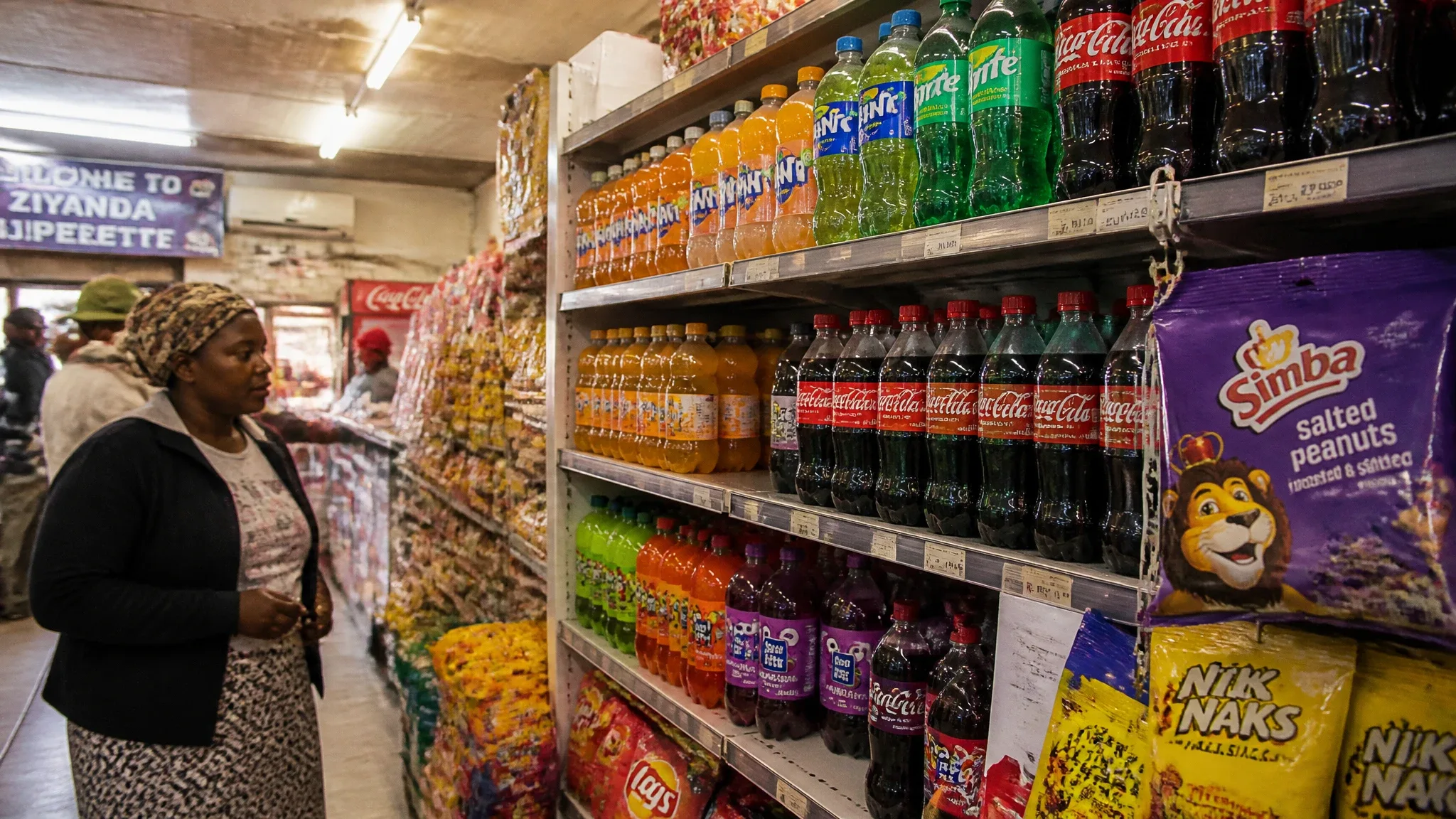
Sugar Levy
Introduced in April 2018 at 2.1 cents per gram of sugar above 4g per 100ml. The rate was adjusted to 2.21 cents in 2019 but has not increased since.
NSP Launch
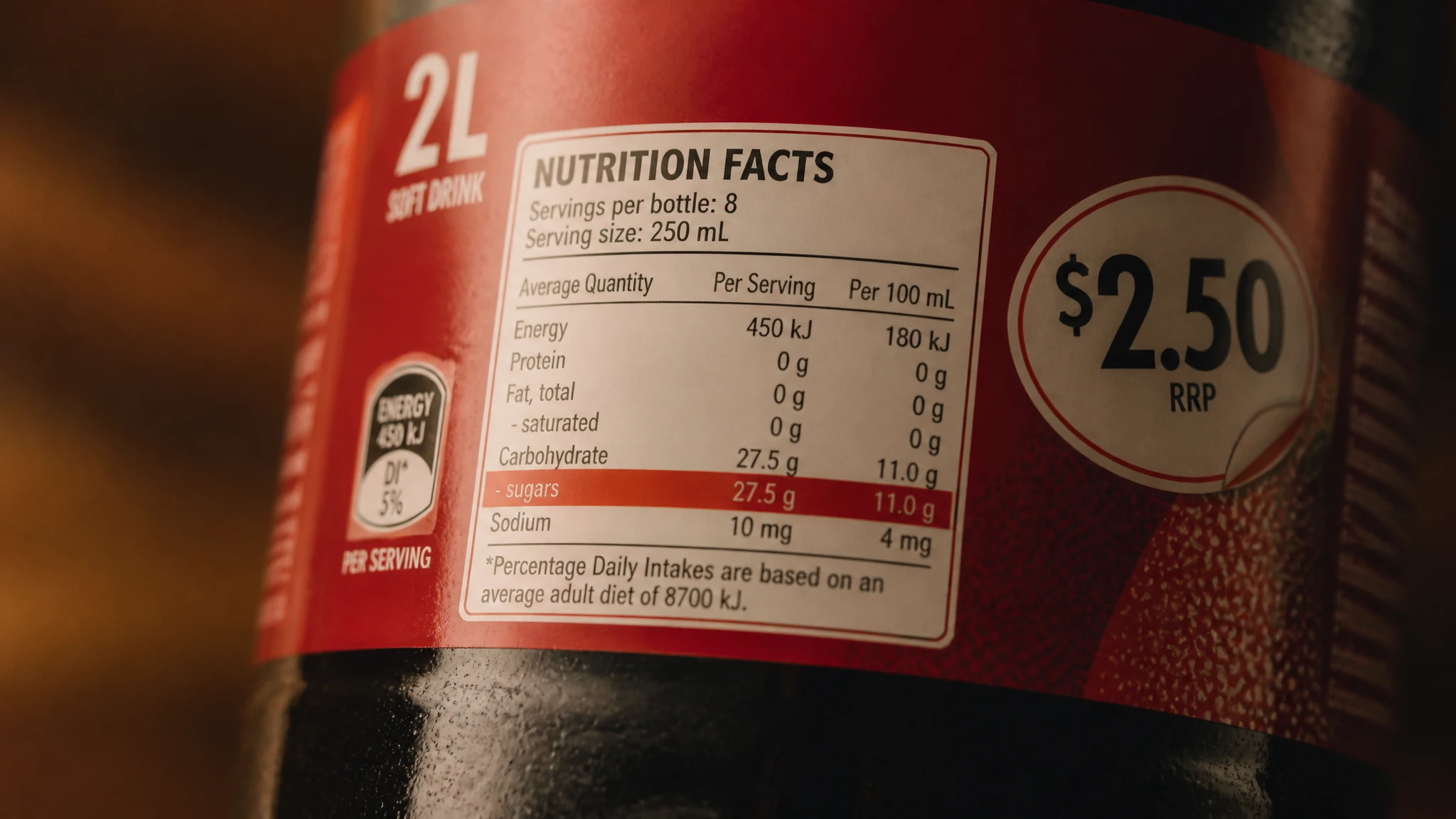
The 2022–2027 NCD plan was published with ambitious prevention targets.
Pilot Labels
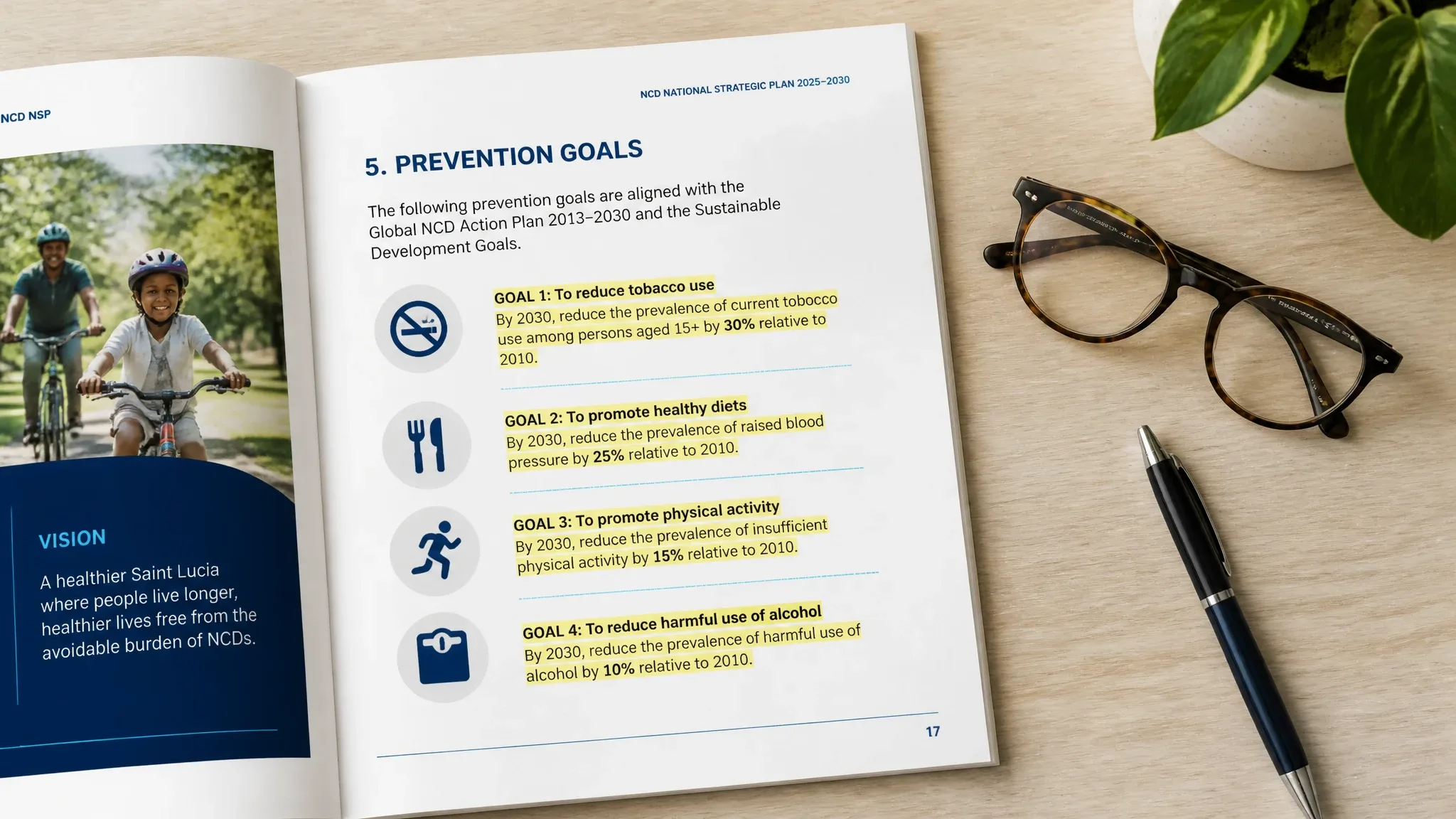
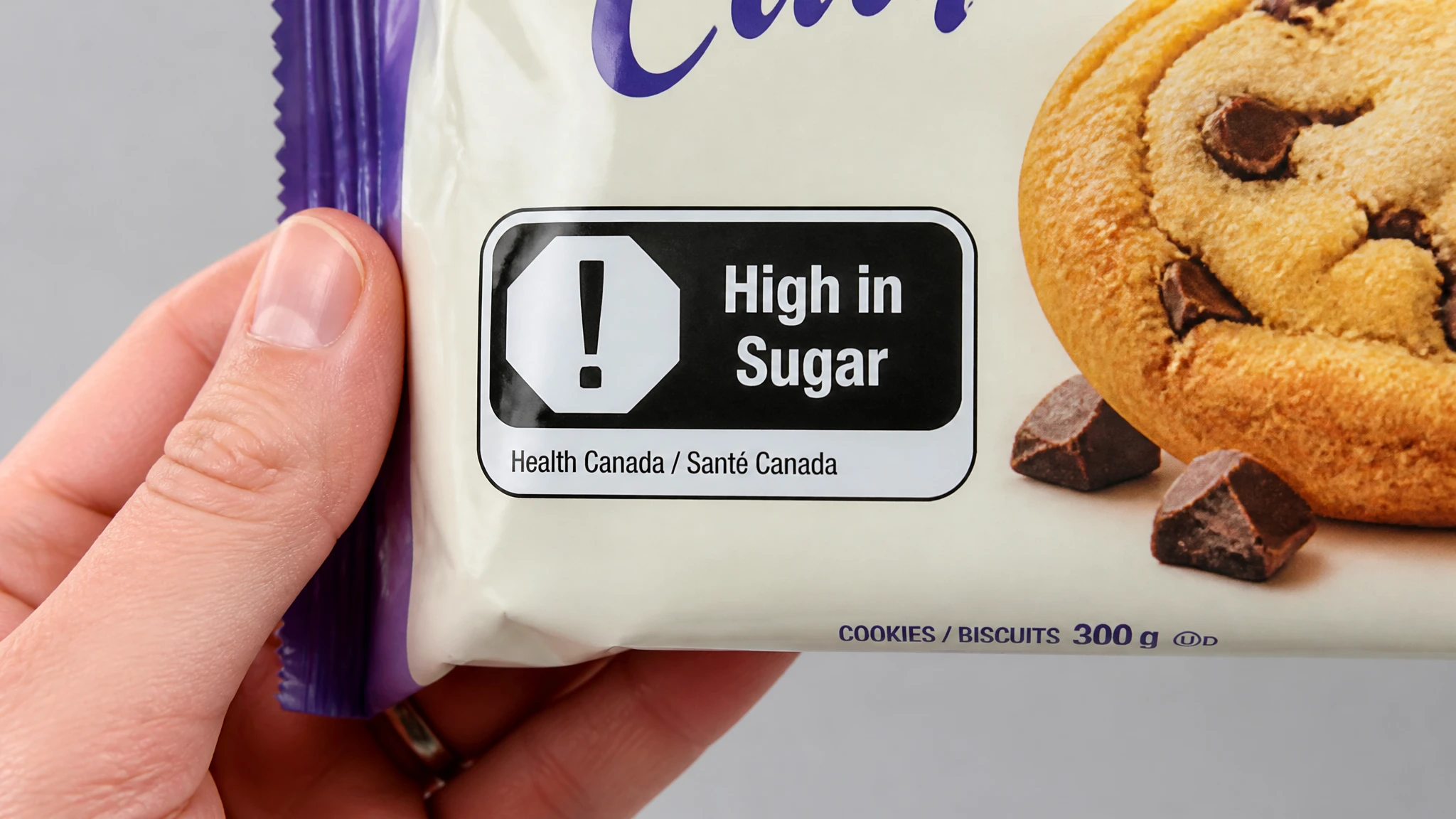
Proposed front-of-pack warning labels remain unimplemented more than three years after draft Regulation R3337 was published in April 2023. The regulations are now being considered through Nedlac.
The Implementation Gap
Close to the end of the 2022–2027 plan period, progress on prevention remains minimal. The Health Promotion Levy has not been adjusted for inflation or evidence since 2018, making it less effective each year.
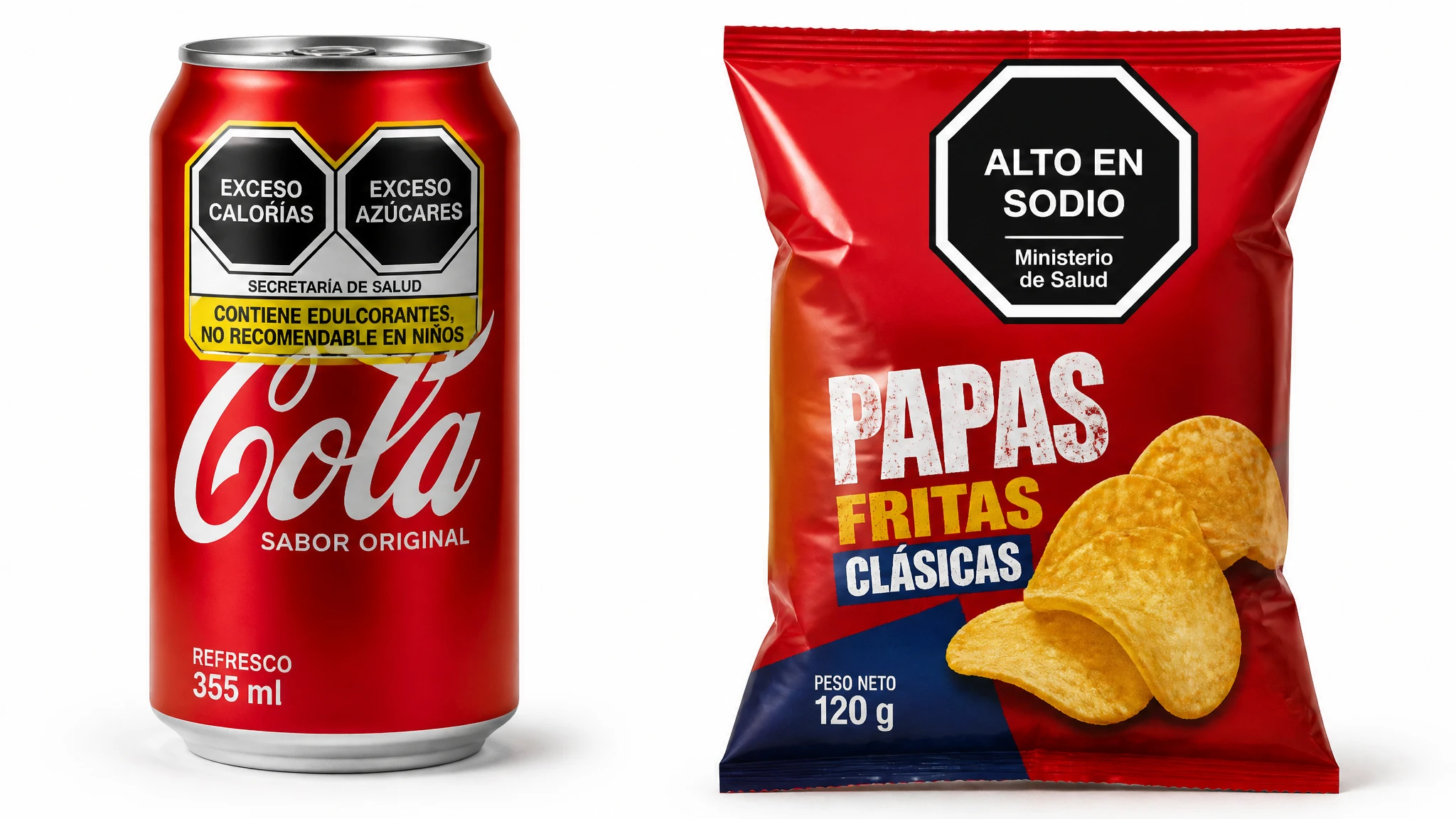
Front-of-pack warning labels, proven to reduce purchases of unhealthy foods by up to 25% in Chile and Mexico, remain stalled in South Africa.
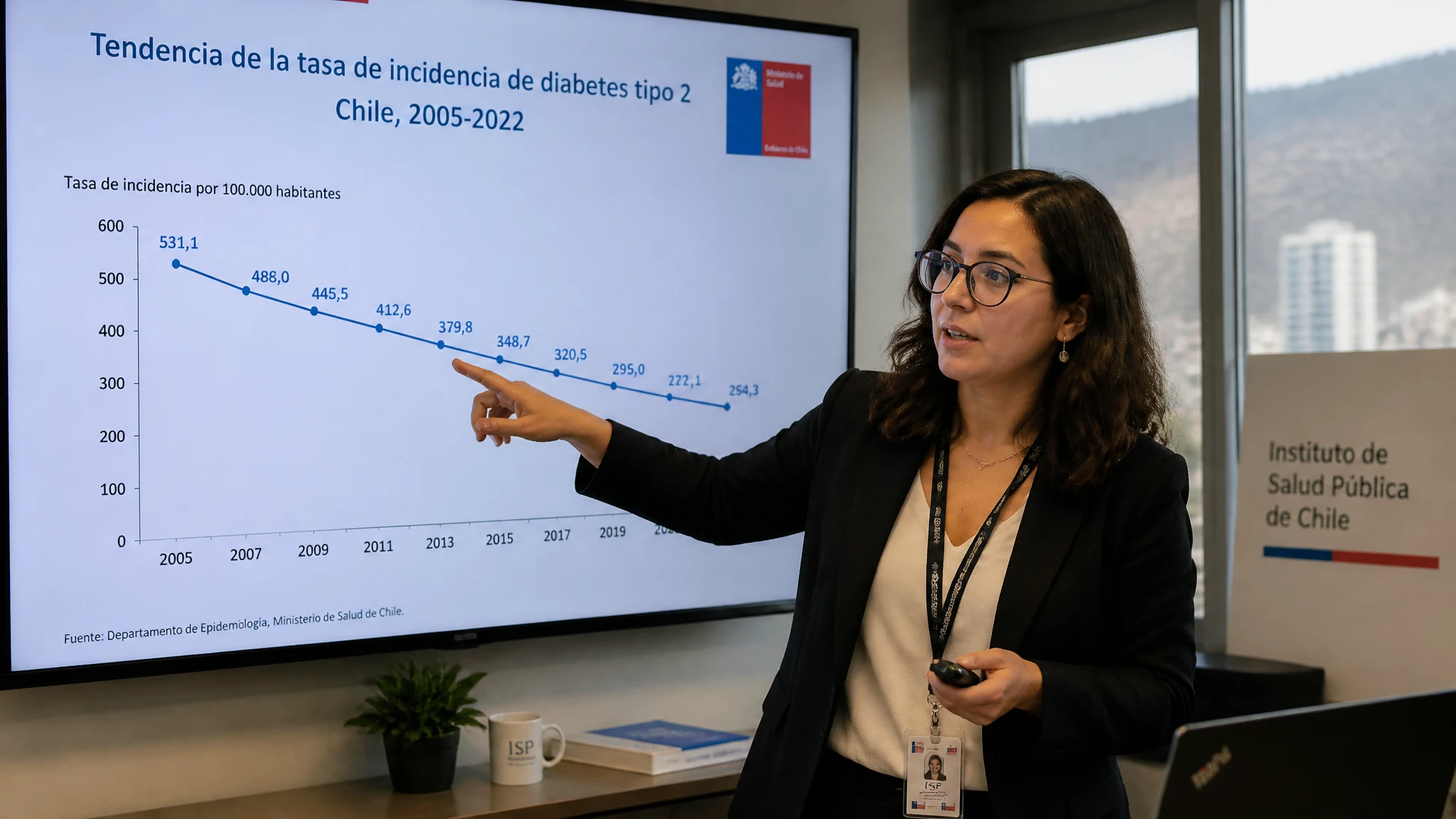
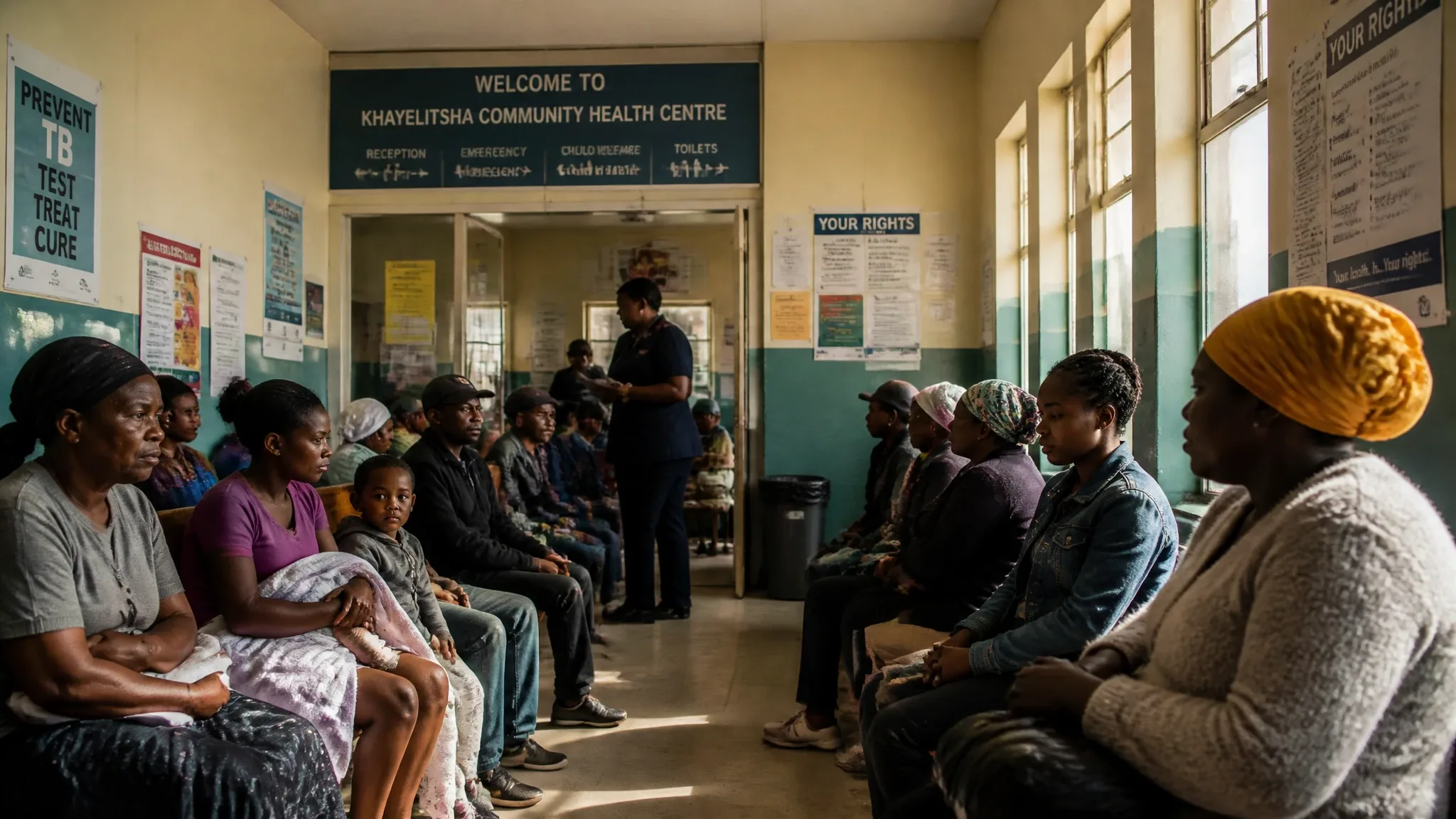
Meanwhile, the prevalence of type 2 diabetes continues to rise, particularly among Black South Africans and low-income communities.
Chapter01·Impact
Mexico's Sugar Tax Success
Chapter02·Prevention
Chile's Warning Labels

Chapter03·Evidence
The Results That Followed
Lessons from Mexico and Chile
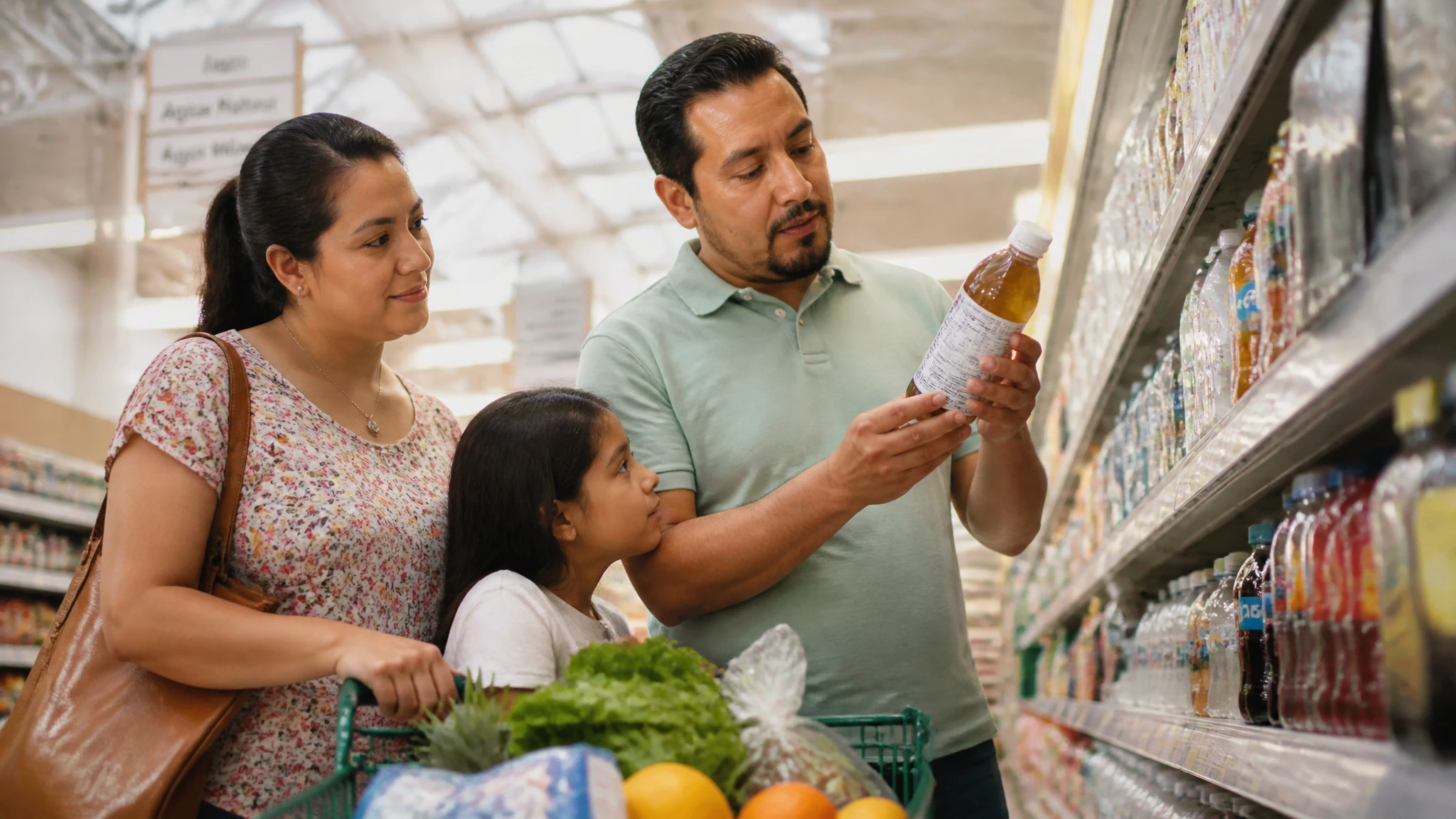
Mexico introduced a tax of one peso per litre on sugar-sweetened beverages in 2014. Research found that purchases of taxed drinks fell by an average of 7.6% over the first two years, with the largest reductions among lower-income households. Subsequent modelling estimated that the combined taxes on sugary drinks and energy-dense foods could prevent approximately 189,000 diabetes cases and 20,000 cardiovascular deaths over the longer term. These are projected benefits, rather than observed reductions in disease incidence.
Chile introduced a comprehensive food labelling and advertising law in 2016, combining mandatory front-of-pack warning labels with restrictions on marketing unhealthy products to children and sales of certain products in schools. A study published in 2020 found that household purchases of high-in beverages fell by approximately 24% compared with projected purchases in the absence of the policy. The amount of sugar purchased from these drinks fell by approximately 25%. The findings demonstrate that comprehensive food regulation can influence purchasing behaviour, although changes in disease prevalence take longer to establish.
What the Models Show for South Africa
Why the Delay?
Industry lobbying has been intense. Food, beverage, and sugar producers argue that higher taxes and warning labels will cost jobs and hurt the economy. Health economists have challenged these claims, showing net economic gains from lower healthcare spending and improved productivity.
Political will has wavered. While the Department of Health supports stronger measures, the National Treasury has been reluctant to increase the levy, and the Department of Trade, Industry and Competition has slow-walked front-of-pack labelling regulations, citing concerns about compliance costs and international trade obligations. Activists argue the delay translates into tens of thousands of preventable diabetes cases and billions in avoidable treatment costs.
Annual direct medical costs
According to Wits University researchers, treating diagnosed type 2 diabetes costs South Africa’s public health system roughly R2.7 billion per year in direct medical expenses — medication, hospital admissions, dialysis, amputations, eye care, and cardiovascular complications — rising to R21.8 billion when undiagnosed cases are included. That excludes productivity losses, early retirement, premature death, and uncounted costs borne by families. With cases projected to reach 7.2 million by 2030, the annual public-sector bill for all cases will exceed R35 billion.
The Economics of Prevention
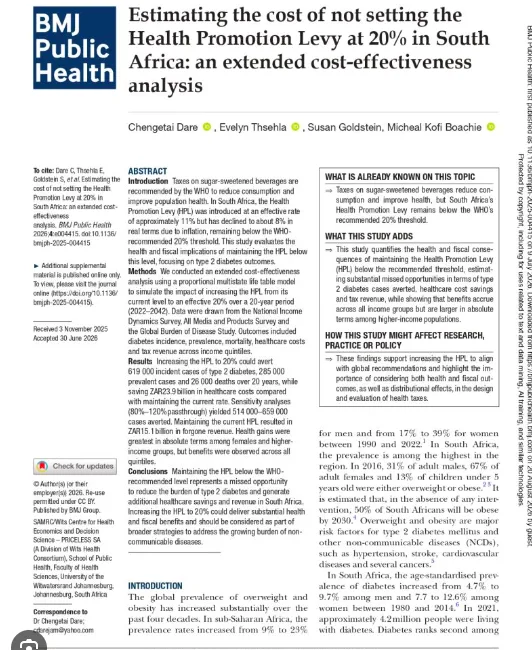
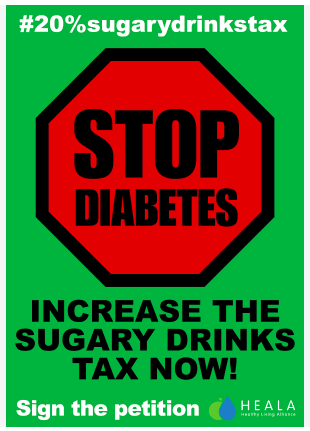
Public health evidence consistently shows that every rand invested in prevention saves multiples in future treatment costs. According to PRICELESS SA, increasing the Health Promotion Levy to an effective 20% tax rate, along with with mandatory front-of-pack warning labels, will save the public health system an estimated R23.9 billion in avoided type 2 diabetes treatment costs over 20 years.
Beyond the fiscal savings, prevention reduces the human toll of the disease. Preventing 619,000 new cases of type 2 diabetes means being spared from lifelong medication, daily insulin, limb amputations, dialysis, blindness, or early death. It means families who will not lose breadwinners to preventable complications.
Questions, Answered
Common concerns about prevention policy and what the evidence shows.
 Scrollytelling